
Cozy Games That Understand Depression: Gentle Games for Low Days
Gentle, emotional cozy games for the days when everything feels heavier than usual.
There are some days when even the smallest things feel difficult.
Getting up feels difficult. Replying to messages feels difficult. Making decisions feels difficult. Even choosing what to play can feel like too much.
I think that’s why I’m so drawn to cozy games that don’t try to cheer me up in a loud, forced way. Sometimes I don’t want something bright and busy telling me everything is fine. Sometimes I want a game that quietly understands that things are not fine, but still gives me somewhere soft to exist for a while.
This is what I mean when I say cozy games that understand depression.
Not games that cure depression. Not games that replace therapy, medication, medical support, or talking to someone you trust. But games that seem to understand low days, emotional exhaustion, grief, numbness, loneliness, burnout, and the strange heaviness that can make life feel harder than usual.
Some of these games are soft and comforting. Some are heavier and more emotional. Some might be exactly what you need on a low day, while others might be better saved for a time when you feel able to sit with something more reflective.
Please look after yourself while playing them. If you are in a really difficult place, it is okay to pause, step away, or choose something lighter.
These are the cozy games I’d recommend for low days, especially when you want something that understands sadness without trying to rush you out of it.
Looking for More Cozy Games?
Need even more gentle games to add to your list? I’ve put together The Ultimate Cozy Games Directory, with 200+ cozy games across Nintendo Switch, PC, PlayStation, Xbox, Apple Arcade and mobile. It’s a good place to start if you want to browse by console, genre or mood.
👉 Browse the full Cozy Games Directory
I also have a full Cozy Games for Mental Health collection, with comforting games for anxiety, burnout, stress, sleep, loneliness, low-energy days and those times when real life feels a bit too much.
When I Need A Game That Doesn’t Ask Me To Be Okay
Sometimes the most comforting thing a game can do is stop trying to fix the feeling.
These are the games I turn to when I don’t want toxic positivity. I don’t want a big inspirational speech. I just want something that understands sadness can be complicated, quiet, and hard to explain.
Wanderstop
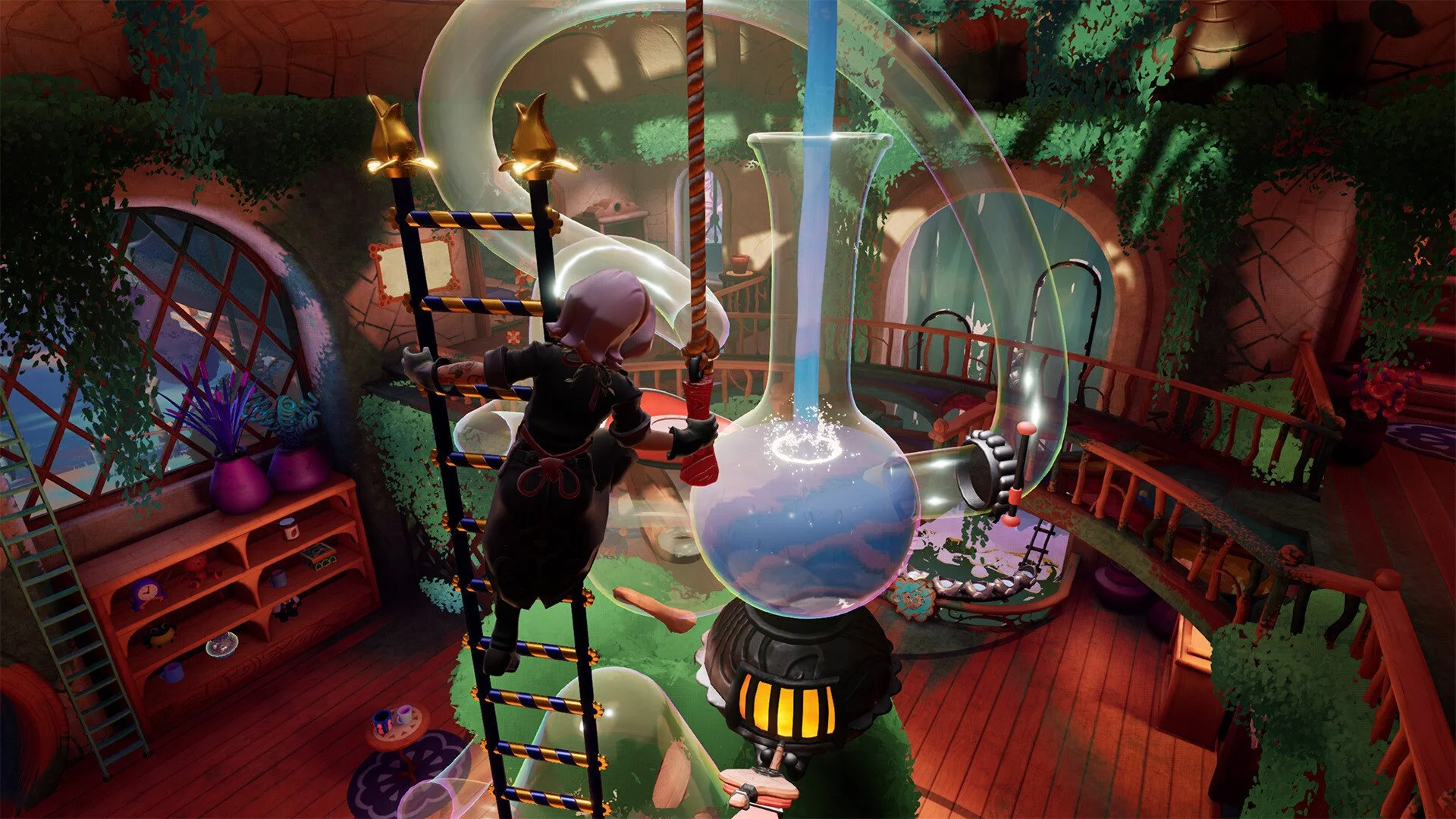
Game Image: Wanderstop, Developer Image: Ivy Road
Wanderstop is one of the best cozy games I’ve played about not being okay.
You play as Alta, a fighter who has built her entire identity around pushing forward, winning, training, and being strong. But when she can’t keep going anymore, she ends up running a tea shop instead.
On the surface, it sounds gentle. You grow tea ingredients, serve customers, and settle into the rhythm of this strange little shop. But underneath all of that is a story about burnout, self-worth, rest, and the discomfort of stopping when you have spent so long proving yourself through productivity.
That is what makes Wanderstop feel so meaningful on low days.
It understands that rest is not always easy. Sometimes slowing down can feel like failure. Sometimes being still makes all the feelings you were avoiding suddenly catch up with you.
Wanderstop doesn’t rush Alta into a neat recovery arc. It gives her space to be frustrated, resistant, sad, and unsure. And because of that, it feels like a game that really understands what it means to be emotionally exhausted.
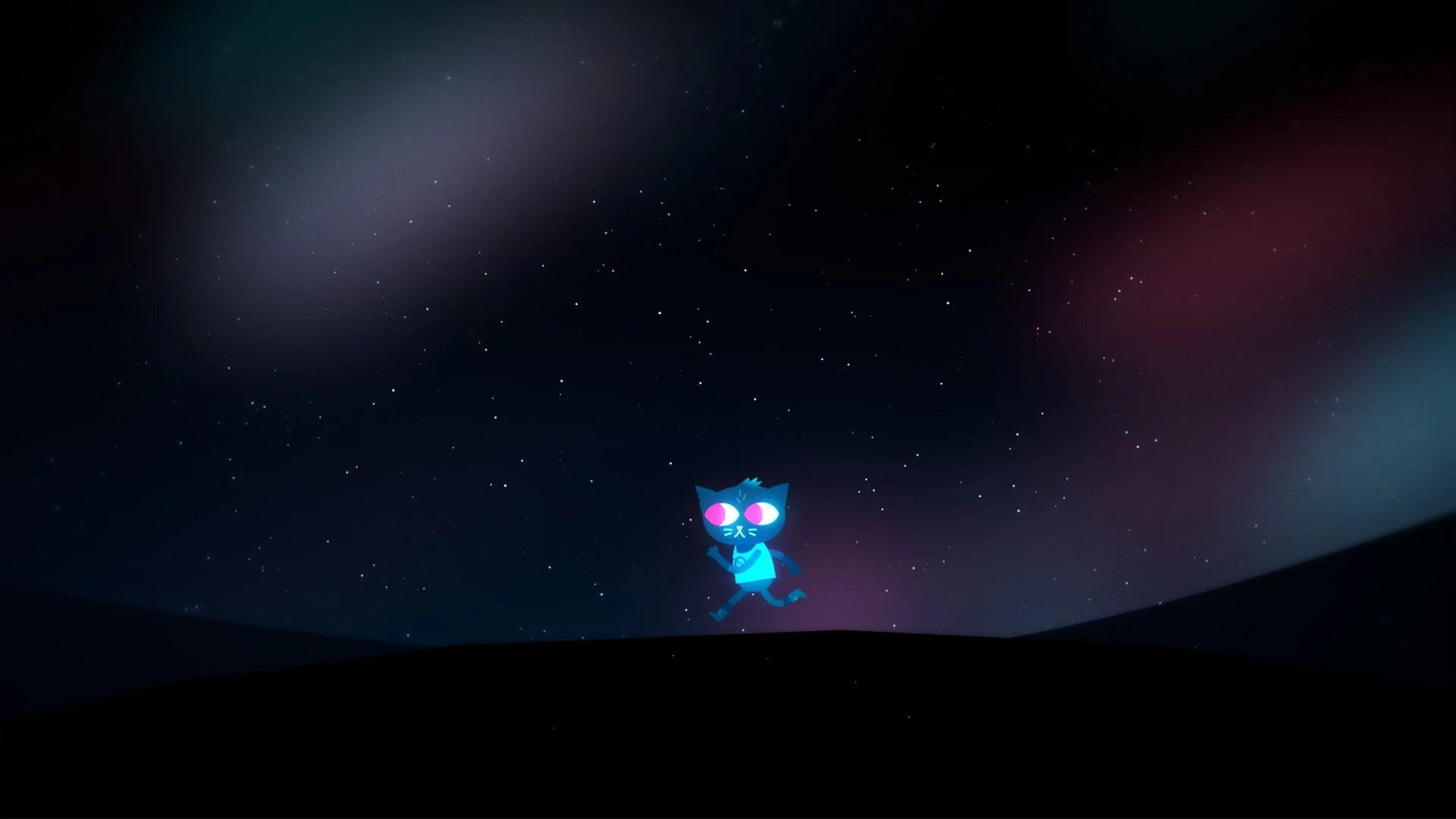
Night in the Woods
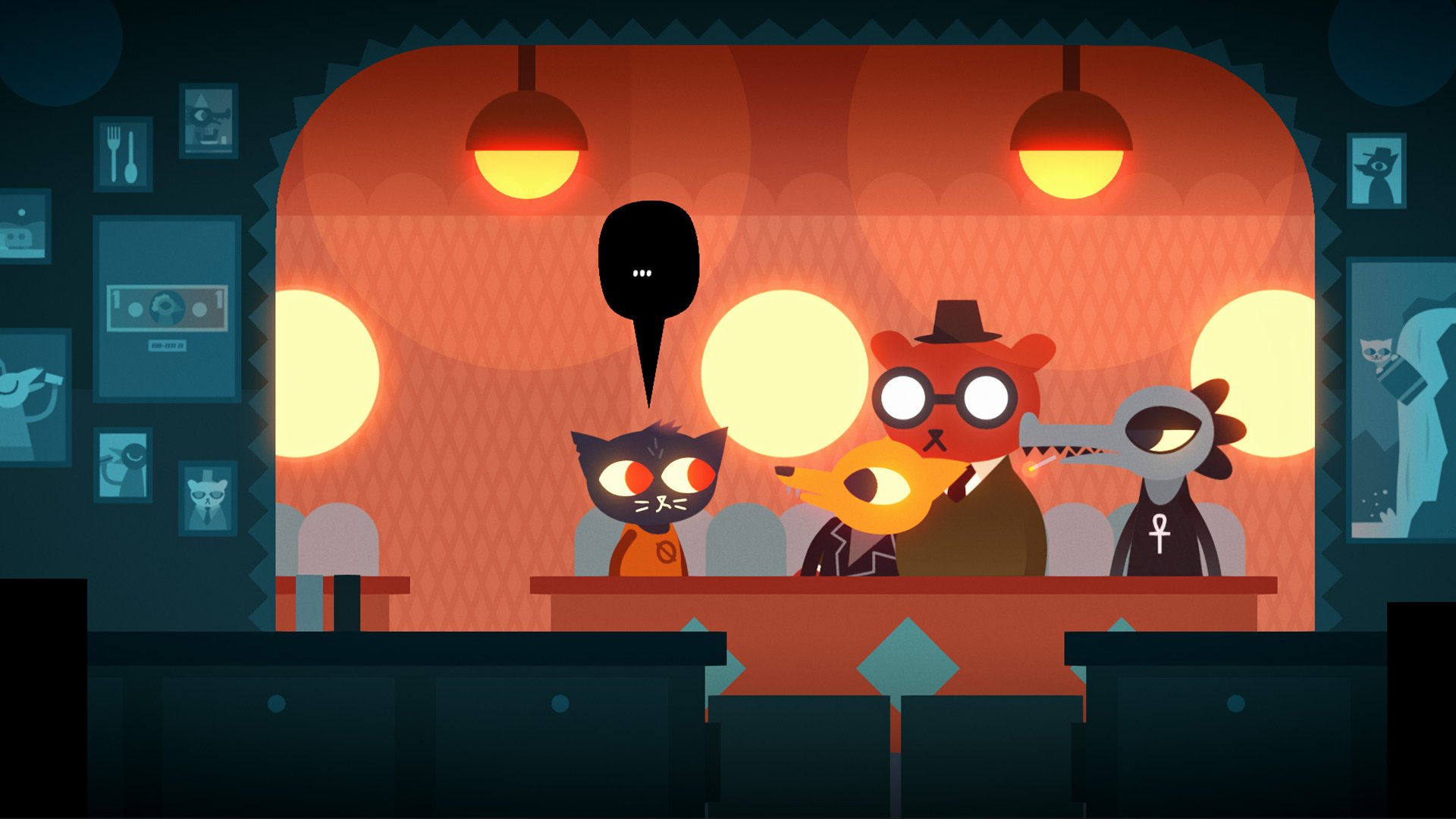
Game image: Night in the Woods, Developer Image: Infinite Fall
In Night in the Woods you play as Mae, a college dropout who returns to her hometown and tries to slip back into her old life. But everything feels different. Her friends have changed. The town has changed. Mae has changed too, even if she doesn’t fully know how to talk about it yet.
What makes Night in the Woods so powerful is how honestly it captures feeling stuck.
Mae is funny, difficult, messy, defensive, loving, frustrating, and deeply human. She doesn’t have a clean explanation for why she feels the way she does. She doesn’t always make the right choices. She doesn’t always know how to be vulnerable.
And that feels very real.
Depression can make you feel like everyone else knows how to live and you somehow missed the lesson. Night in the Woods understands that feeling. It understands the shame of falling behind, the awkwardness of coming home changed, and the loneliness of not knowing how to explain what is happening inside your head.
It is funny and strange and sad, and sometimes that combination is exactly what makes it comforting.
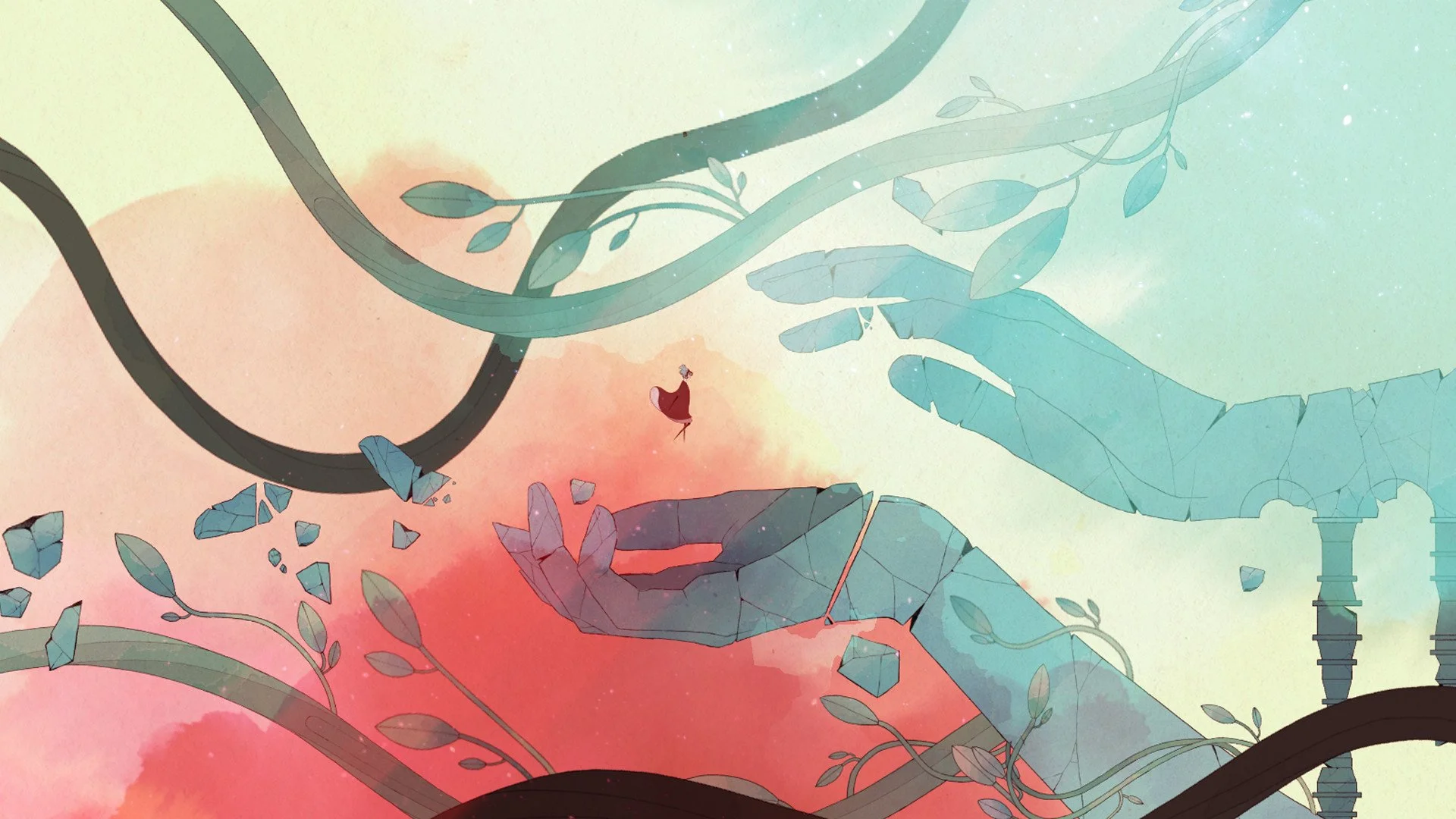
Game Image: GRIS, Developer Image: Nomada Studio
Gris is one of the most beautiful games about sadness.
It is not a game that explains every feeling with words. Instead, it uses colour, music, movement, and atmosphere to explore grief, loss, and emotional recovery.
You move through a world that begins muted and broken, slowly bringing colour back as you progress. There is something incredibly powerful about that, especially on days when everything feels grey.
What I love about GRIS is that it doesn’t make sadness feel ugly or shameful. It treats it as something tender. Something that can change shape. Something that can be carried.
It is also a good choice if you want an emotional game but don’t have the energy for lots of dialogue, complicated mechanics, or long sessions. It is gentle, visually stunning, and reflective without being overwhelming.
GRIS doesn’t tell you to simply feel better. It shows that healing can be slow, quiet, and non-linear.
And sometimes that is a much kinder message.
When Everything Feels Heavy
Some low days feel less like sadness and more like weight.
Everything takes effort. Your thoughts feel slower. Your body feels tired. The idea of doing anything too demanding can feel impossible.
These games are a little heavier emotionally, but they understand that kind of weight.
Spiritfarer

Game Image: Spiritfarer, Developer Image: Thunder Lotus Games
Spiritfarer is one of those games that can be both deeply comforting and completely devastating.
You play as Stella, a ferrymaster who helps spirits prepare for their final journey. You build and upgrade your boat, cook meals, gather resources, care for passengers, and slowly learn their stories.
It is a beautiful life sim, but it is also a game about death, grief, love, caretaking, and letting go.
That might sound like a lot for a low day, and honestly, it can be. Spiritfarer is not always the right choice if you need something light. But when you are already sitting with grief or emotional heaviness, it can feel incredibly validating.
What makes Spiritfarer special is how gently it treats difficult emotions.
It understands that caring for others can be meaningful and exhausting at the same time. It understands that endings can hurt even when they are necessary. It understands that love does not disappear just because something changes.
For me, Spiritfarer is not a game I play to escape sadness. It is a game I play when I need sadness to be treated with care.
Chicory A Colourful Tale
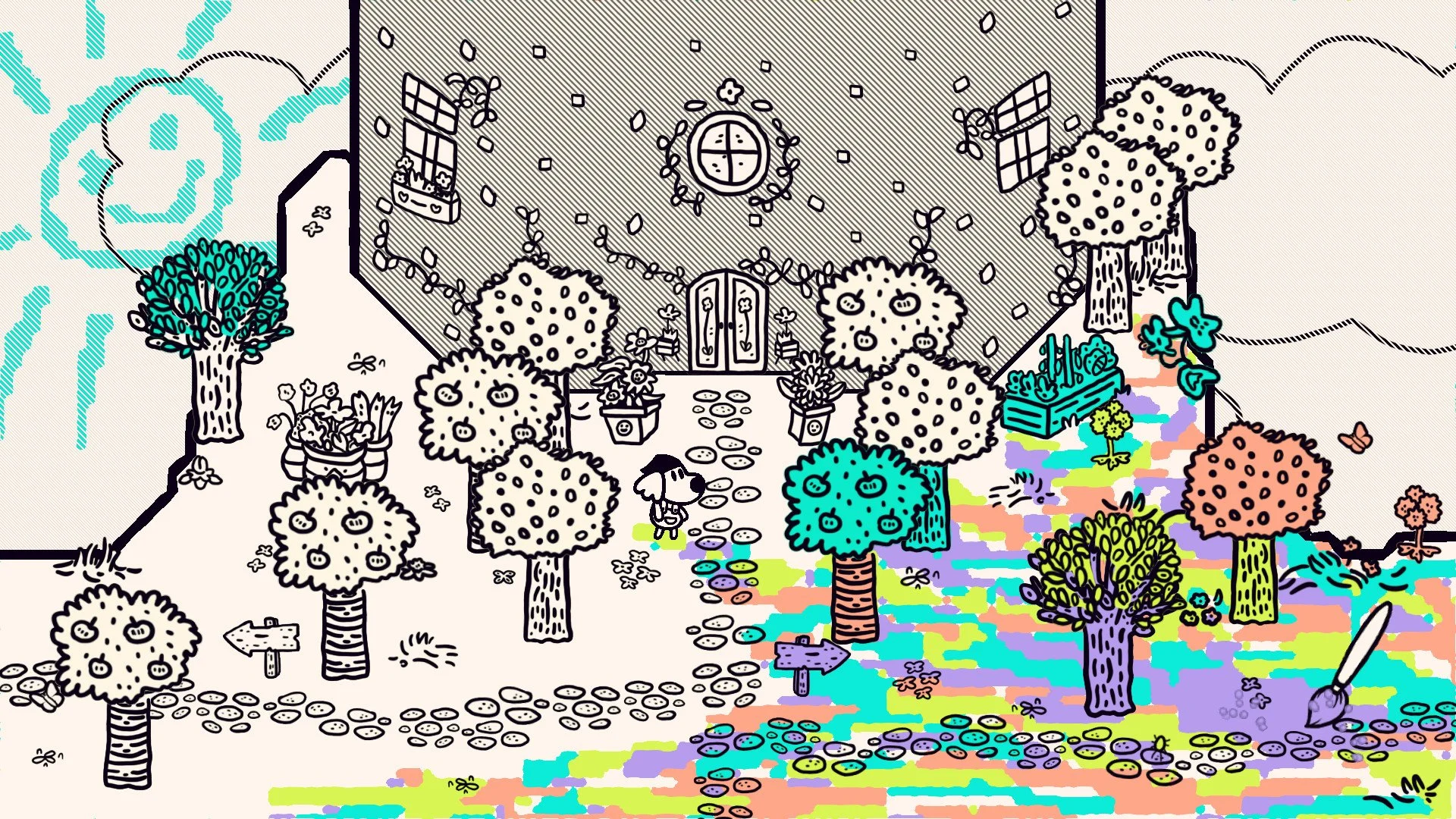
Game Image: Chicory A Colorful Tale, Developer Image: Wishes Ultd., Greg Lobanov, Alexis Dean-Jones, Lena Raine, Madeline Berger, A Shell in the Pit
Chicory: A Colorful Tale is one of the gentlest ways I’ve seen a game explore the feeling of everything losing its colour.
You play as a little dog who suddenly finds themselves responsible for a magic paintbrush after the world becomes blank. From there, you can colour almost everything around you, solve puzzles, help characters, and slowly bring life back to the world in your own way.
What makes Chicory fit this list so well is that it looks sweet and playful, but there is more going on underneath.
It understands creative pressure, self-doubt, burnout, and the heavy feeling of not knowing if you are enough. It also understands how strange it can feel when something that once brought joy starts to feel difficult.
I love that Chicory does not treat colour as a simple fix. You are not instantly making everything better. You are slowly engaging with the world again, one small area at a time.
On low days, that feels really comforting.
Sometimes you don’t need a game that asks you to be brave or productive or endlessly positive. Sometimes you just need one small thing you can touch, change, colour in, and make a little softer.
A Space for the Unknown
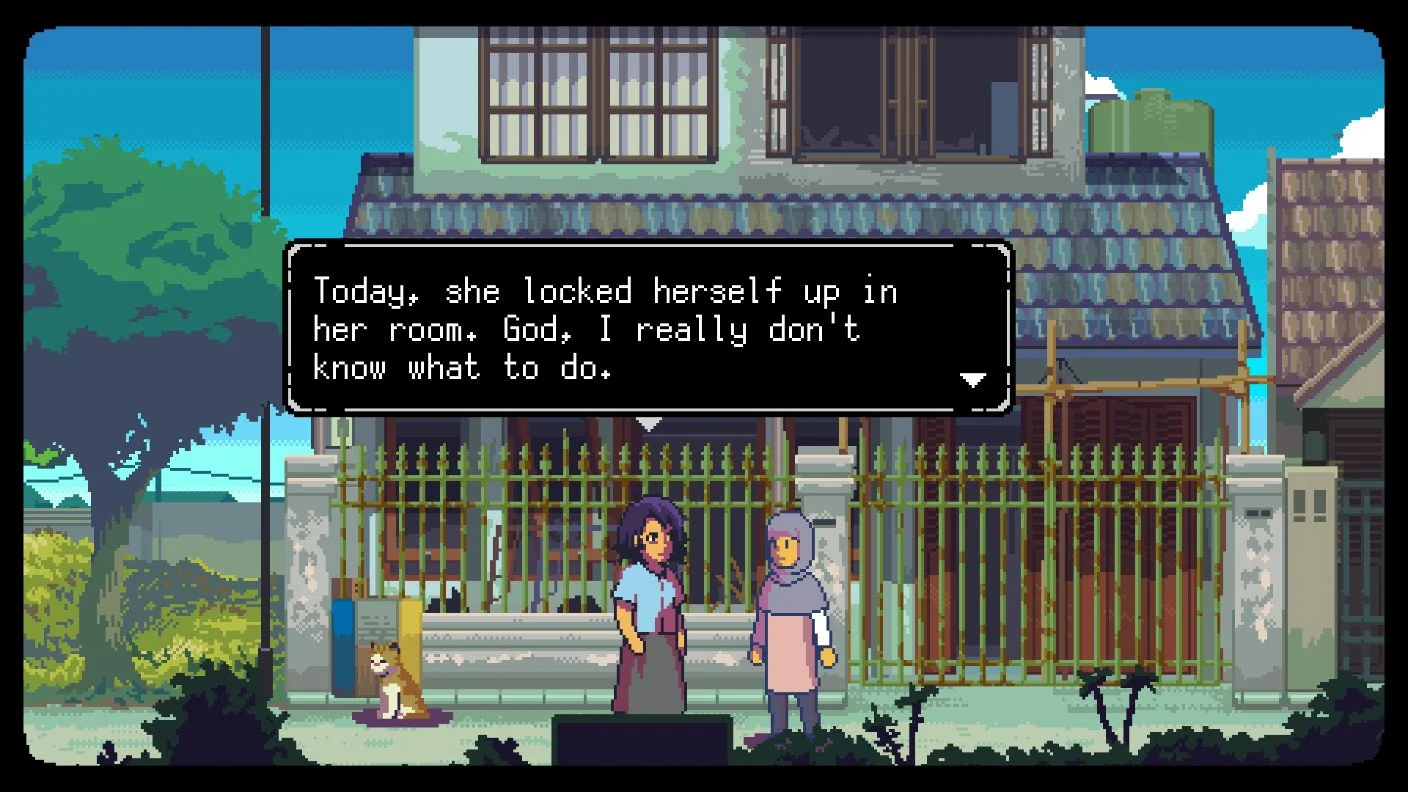
Game Image: A Space for the Unknown, Developer Image:
Mojiken
A Space for the Unbound is a beautiful slice-of-life adventure set in rural Indonesia, following two high school sweethearts, Atma and Raya, as the world around them begins to unravel.
The game looks warm and nostalgic, but its themes are much heavier than they first appear. It explores anxiety, depression, trauma, memory, and the pressure of carrying feelings that are too big to hold alone.
What makes A Space for the Unbound so moving is how tenderly it handles emotional pain. It doesn’t reduce depression to one simple feeling. It shows how it can be tangled up with fear, family, expectations, identity, and the desperate wish to escape yourself for a while.
There are moments in this game that are genuinely heartbreaking, so I would include a note to check content warnings before playing.
But if you want a game that really seems to understand the emotional weight behind depression, this is one of the most thoughtful choices.
When I Need Quiet Connection Without Social Pressure
One of the hardest things about depression is the loneliness.
Sometimes you want connection, but you don’t have the energy to reply properly. You want to feel less alone, but actual socialising feels impossible.
These games offer a softer kind of company.
Coffee Talk
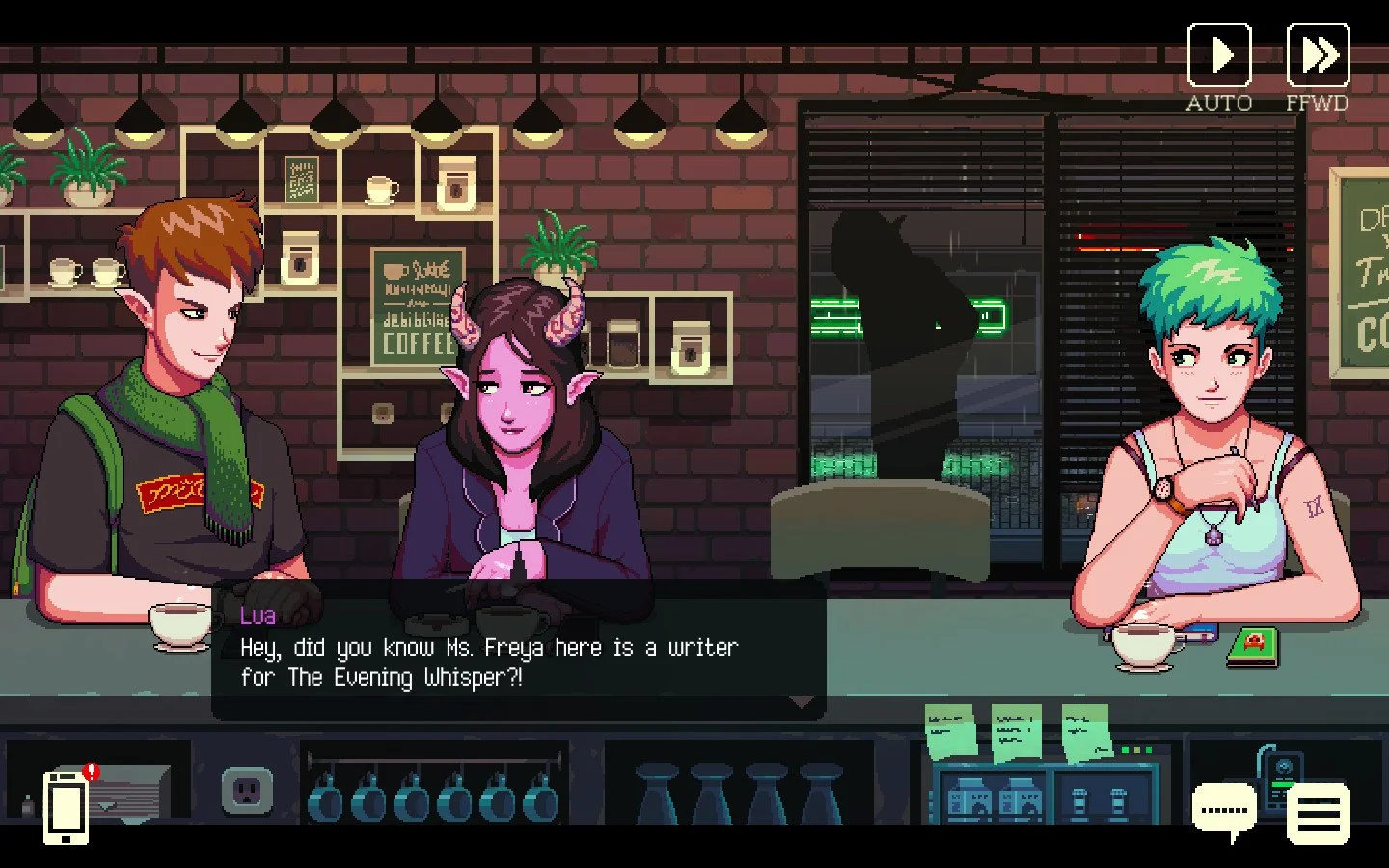
Game Image: Coffee Talk, Developer Image: Toge Productions
Coffee Talk is perfect for the kind of low day where you just want to sit somewhere warm and listen.
You play as a barista in a late-night coffee shop, serving drinks to customers as they talk through their lives, relationships, worries, and mistakes.
There is no pressure to perform. You are not saving the world. You are not rushing through tasks. You are simply making drinks and being present while people talk.
That is what makes it feel so comforting.
On days when I feel emotionally drained, Coffee Talk gives me the feeling of being around people without actually having to socialise. It has that gentle late-night atmosphere where everything feels quieter, softer, and a little more honest.
It is especially good if you want something narrative but low-effort. You can let the conversations unfold, make warm drinks, and feel like you are part of a small pocket of connection.
Sometimes that is enough.
Kind Words 2
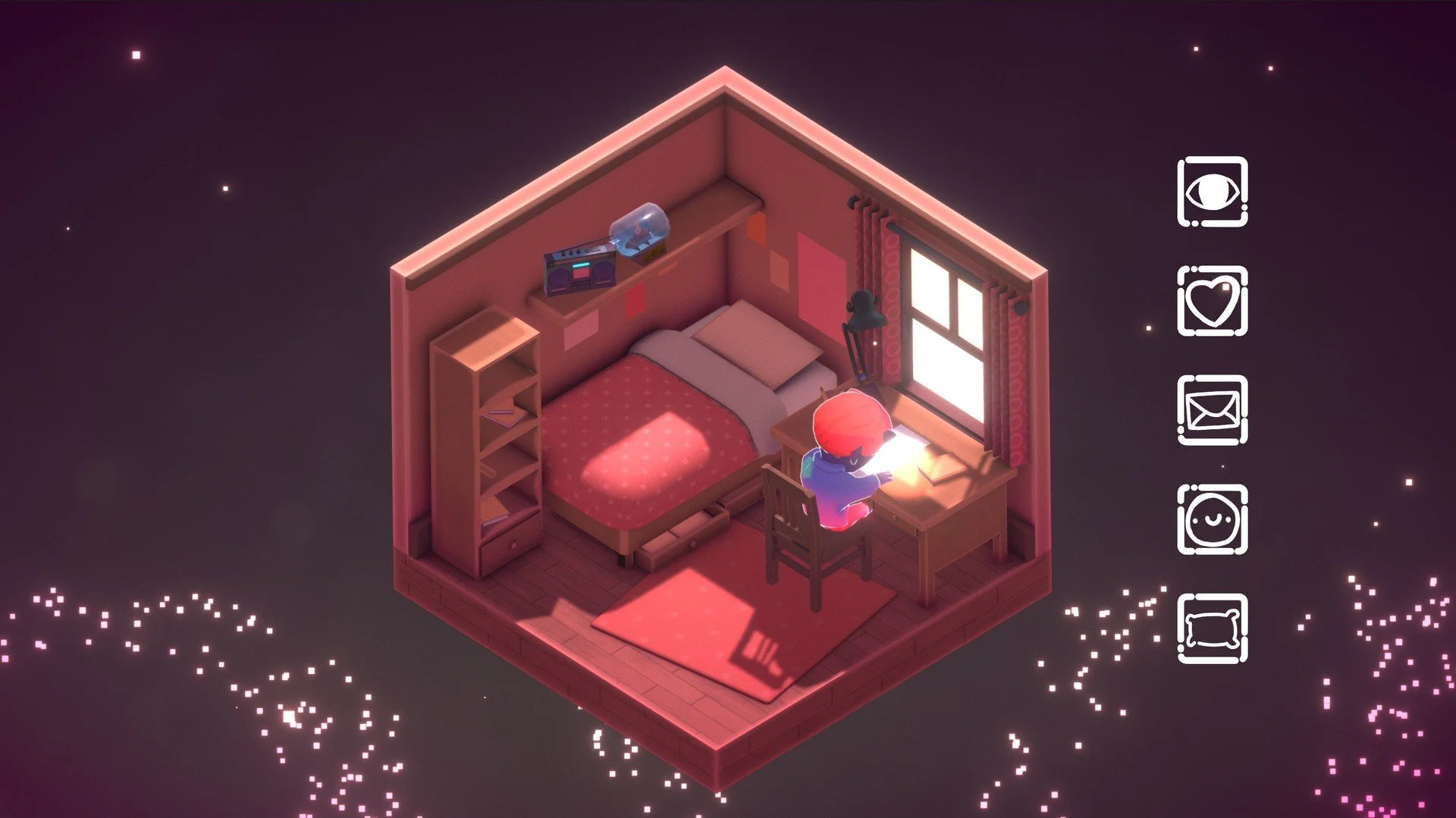
Game Image: Kind Words, Developer Image: Popcannibal
Kind Words 2 is less of a traditional cozy game and more of a tiny act of community.
The idea is simple. You write kind letters to real people. You read messages from others. You send encouragement, share thoughts, and offer little pieces of warmth to strangers who might need them.
That might sound small, but on a low day, small kindness can feel enormous.
What I like about Kind Words 2 is that it allows for connection without the pressure of a full conversation. You don’t have to be interesting. You don’t have to perform being okay. You don’t have to maintain a friendship or reply instantly.
You can simply send a few gentle words into the world.
There is something very moving about being reminded that other people are struggling too. Not in a bleak way, but in a human way. A way that makes you feel less strange for finding life hard sometimes.
If depression makes you feel isolated, Kind Words 2 can be a soft reminder that you are not the only person trying to get through the day.
Mutiazone
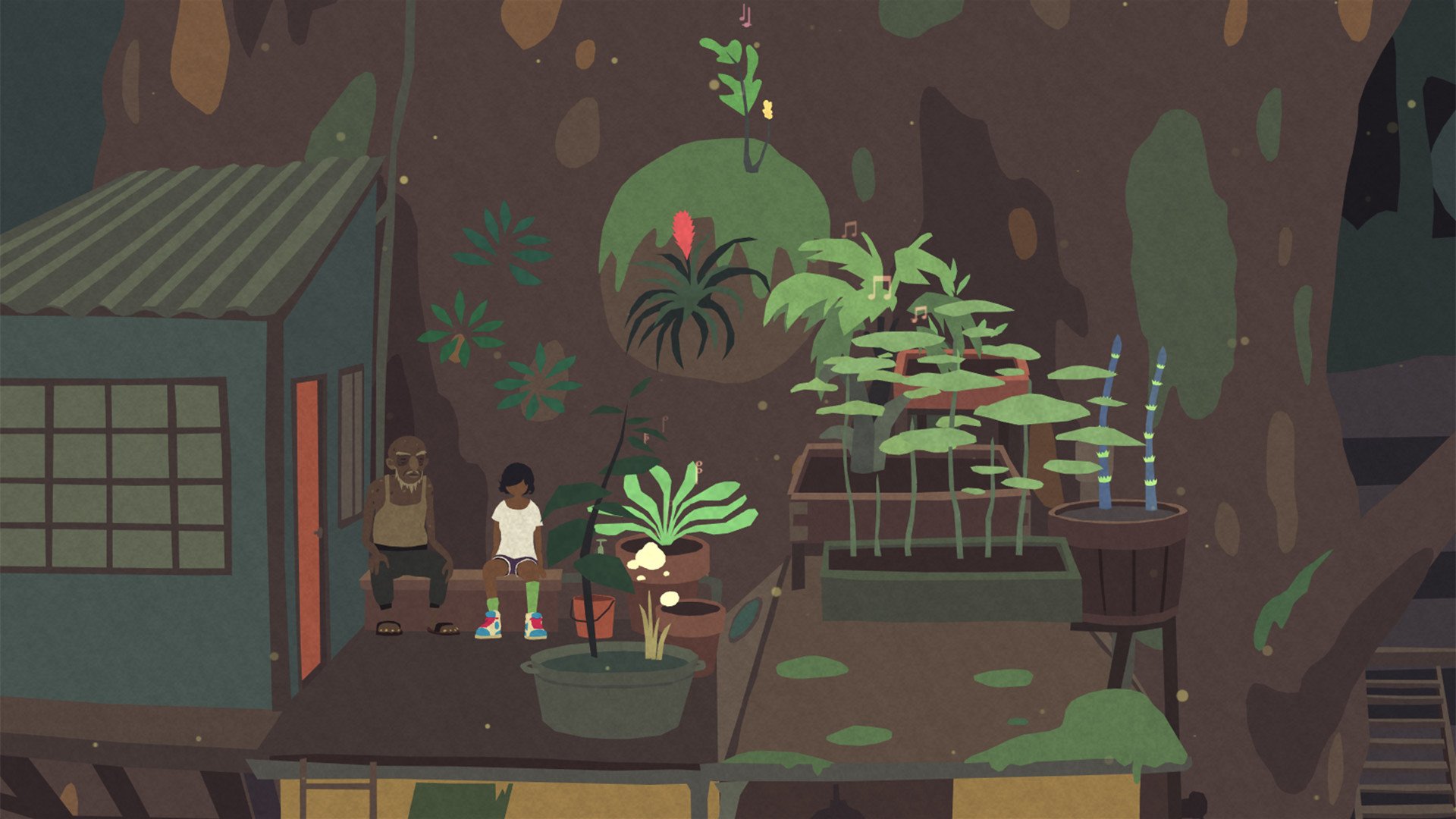
Game Image: Mutiazone, Developer Image: Die Gute Fabrik
Mutazione is a beautiful game about community, family, grief, and the strange ways people keep going after difficult things happen.
You play as Kai, a teenager visiting her grandfather in Mutazione, a small community full of unusual characters and emotional history. You spend your time talking to people, learning their stories, tending musical gardens, and slowly becoming part of the rhythm of the place.
What makes Mutazione fit this list is the way it understands that everyone is carrying something.
Nobody’s life is as simple as it first appears. People have regrets, losses, secrets, complicated relationships, and old wounds. But the game never treats them harshly for that.
It has a quiet generosity to it.
Mutazione is comforting because it shows a community where people are flawed and still cared for. Where sadness exists, but so does humour. Where people hurt each other, misunderstand each other, forgive each other, and continue living alongside each other.
On low days, that kind of world can feel very reassuring.
When I Need Hope That Doesn’t Feel Fake
Some games try to be hopeful in a way that feels too neat.
These are not those games.
These games understand that hope does not always arrive as a big glowing answer. Sometimes hope is much smaller. A memory. A conversation. A changed perspective. A tiny reason to keep going.
Season: A Letter to the Future
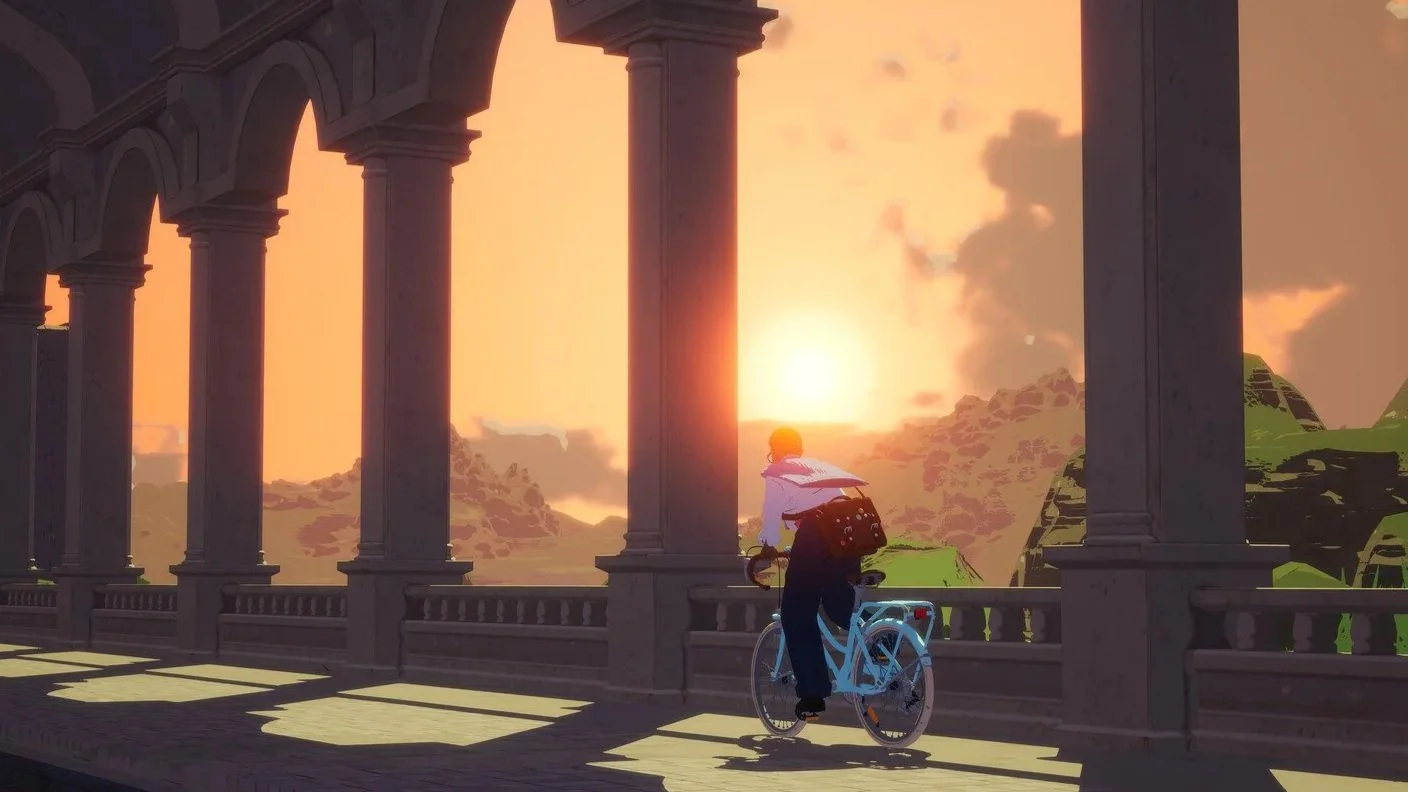
Game Image: Season A Letter to the Future, Developer Image:
Scavenger Studio
Season: A Letter to the Future is one of the most reflective games I’ve played.
You travel by bike through a world on the edge of change, documenting places, people, sounds, and memories before they disappear. You take photographs, record audio, collect stories, and create a record of a season that is coming to an end.
It is slow, thoughtful, and deeply atmospheric.
I think it works beautifully for low days because it encourages you to notice things without demanding too much from you. It asks you to pay attention to small details. A view. A voice. A sound. A piece of history. A moment that would otherwise pass by.
Depression can narrow the world. It can make everything feel flat or pointless. Season gently pushes back against that by reminding you that small things are still worth noticing.
It is not a loud kind of hope.
It is the quiet hope of remembering that even temporary things matter.

Game Image: A Memoir Blue, Developer Image: Cloisters Interactive
A Memoir Blue is a short, emotional game about memory, family, and looking back.
It plays almost like an interactive poem, moving through moments from the main character’s life as she reflects on her relationship with her mother.
There is very little pressure here. The interactions are simple, the atmosphere is dreamy, and the whole experience can be played in one sitting.
That makes it a good choice for days when you want something meaningful but don’t have the energy for a long game.
A Memoir Blue is not about depression directly, but it does understand emotional distance, sadness, childhood memories, and the complicated feelings that can sit underneath love.
It is gentle, brief, and moving.
Sometimes a short game is exactly what I need on a low day, because finishing something small can feel surprisingly grounding.

Game Image: If Found…, Developer Image: DREAMFEEL
If Found... is a raw, beautiful, emotional game about memory, identity, family, and belonging.
Set in Ireland in the 1990s, it follows Kasio as she returns home and tries to navigate complicated relationships, old wounds, and the feeling of not quite fitting where she is supposed to.
This is another game I would describe as cozy-adjacent rather than traditionally cozy. It is not always soft. It can be painful, messy, and emotionally intense.
If Found... captures the feeling of being overwhelmed by your own life. It understands how painful it can be when home does not feel simple, when people don’t understand you, and when you are trying to hold onto yourself while everything around you feels fragile.
The erasing mechanic is especially powerful. There is something about physically rubbing away memories, drawings, and words that makes the game feel intimate and vulnerable.
It may not be the right game for every low day, but if you want something deeply human, it is unforgettable.
When I Can Only Manage Something Small
Not every low day can handle a big emotional game.
Sometimes even starting a new game feels like too much. Sometimes I need something short, simple, or familiar. Something that gives me a little pocket of comfort without asking for hours of focus.
These are the kinds of games I’d keep in mind for the very low-energy days.
Florence
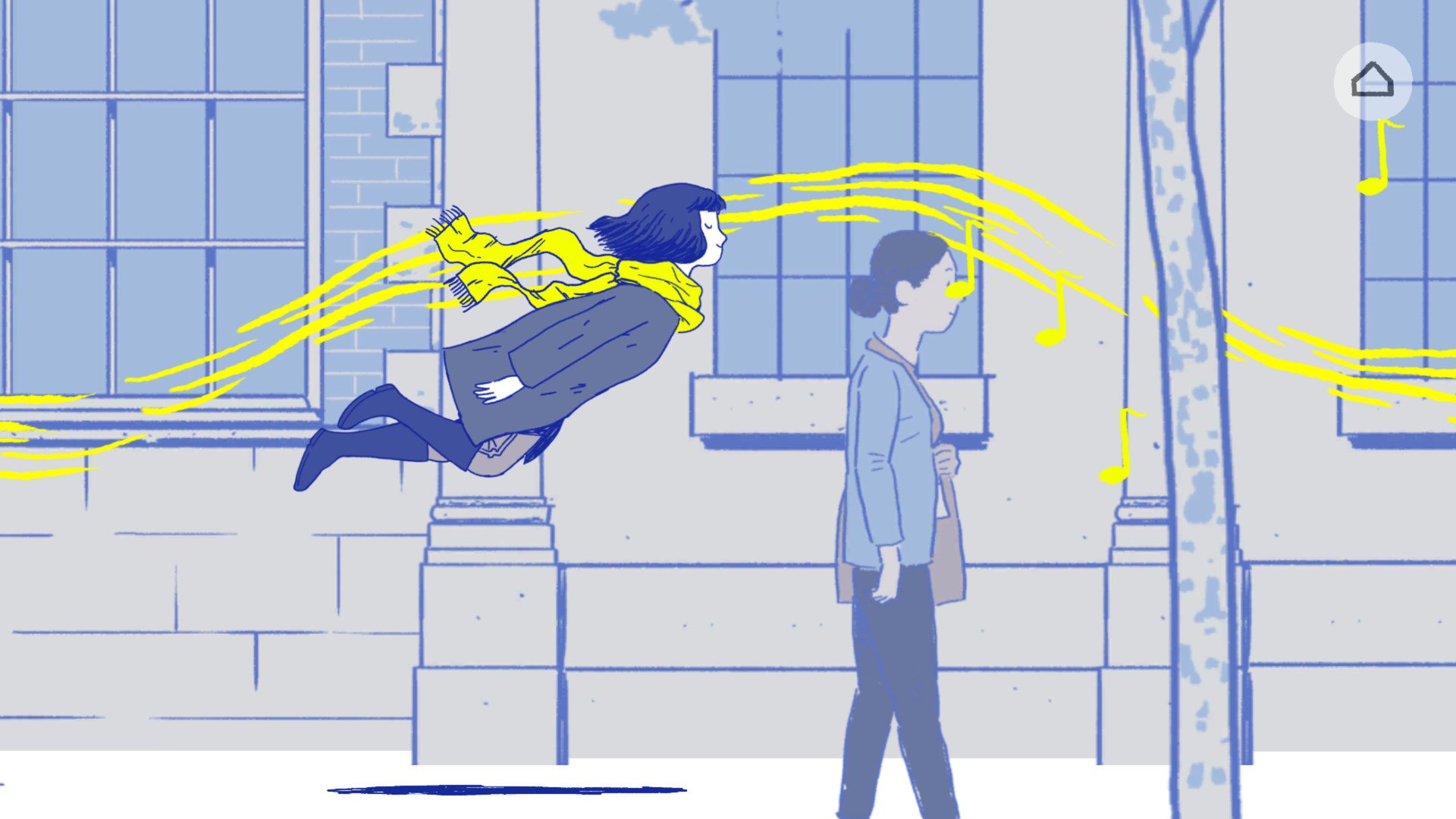
Game Image: Florence, Developer Image: Mountains
Florence is a short interactive story about love, routine, change, and growing through a relationship.
It is not specifically about depression, but it does capture those quiet emotional shifts that can happen when life changes shape. The mechanics are simple, the story is easy to follow, and the whole game can be completed quickly.
That makes it a good choice when you want something emotional but manageable.
Florence is especially good if you want a game that feels personal without becoming too heavy. It looks at ordinary moments, small routines, and the way people affect each other’s lives.
Sometimes low days make everything feel huge and impossible. A game like Florence can be comforting because it gives you a complete little story to move through gently.
When The Past Was Around
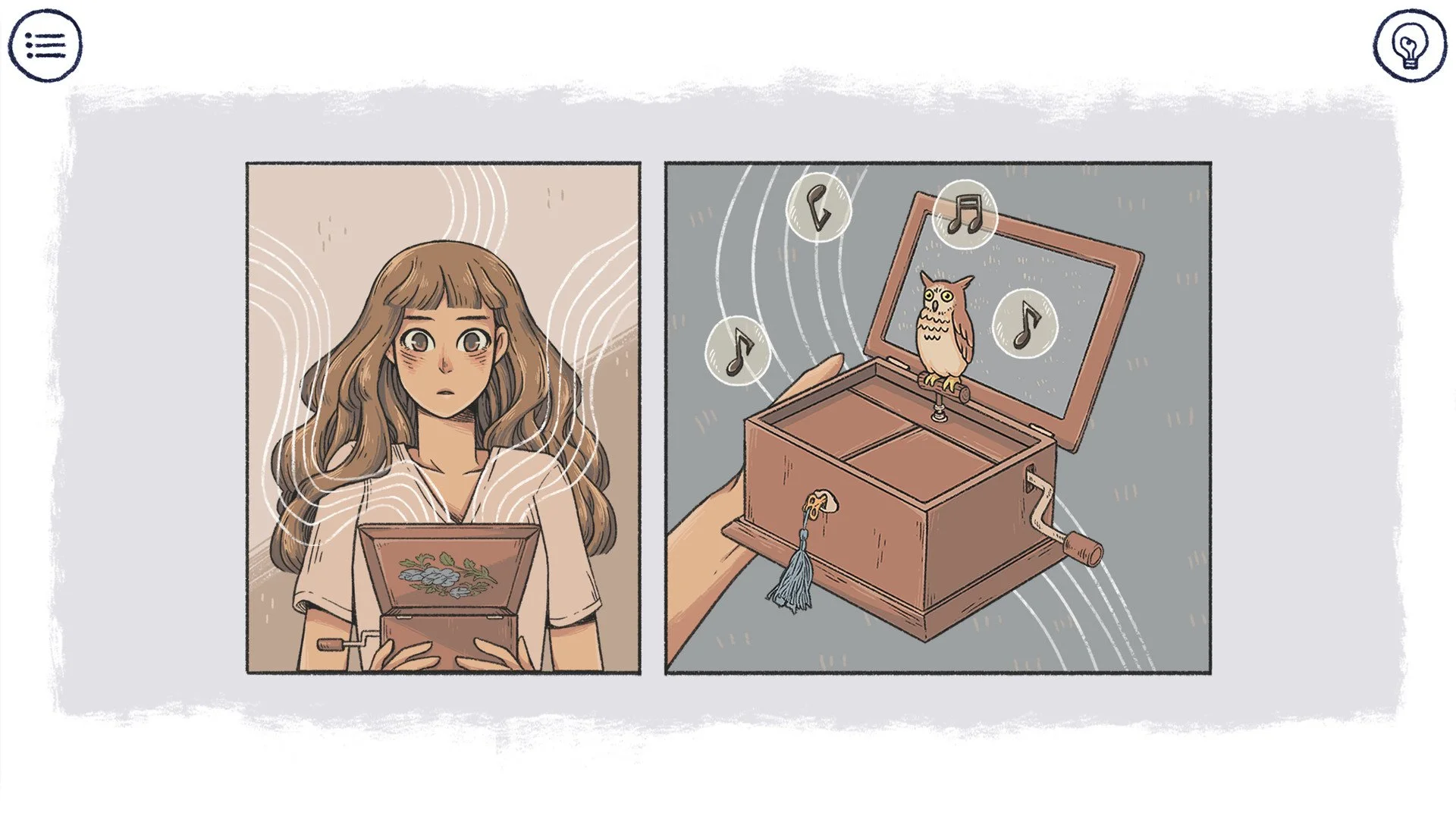
Game Image: When The Past Was Around, Developer Image: Mojiken
When the Past Was Around is a short puzzle game about love, grief, and memory.
It is soft, emotional, and beautifully illustrated, with gentle point-and-click puzzles that move the story forward. It’s a good option for days when words feel like too much.
You can simply move through the spaces, solve small puzzles, and let the game’s atmosphere carry the emotion. It is sad, but not harsh. Tender, but not overly sentimental.
Like many of the games in this list, it does not try to remove sadness. It gives sadness somewhere to go.
And on a low day, that can feel surprisingly comforting.
If You’re Having a Low Day…
I think the reason these games matter is because they don’t treat sadness like something embarrassing.
They don’t all talk about depression directly. Some are about grief. Some are about burnout. Some are about loneliness, memory, identity, change, or emotional exhaustion.
But they all understand something important: being human is difficult sometimes.
There are days when you will not feel productive. Days when replying to one message feels like climbing a mountain. Days when everything looks fine from the outside, but inside you feel flat, tired, or far away from yourself.
A cozy game cannot fix that. And I don’t think it’s helpful to pretend it can.
But the right game can sit beside you in it.
It can give you a gentle task when you need something to focus on. It can offer beauty when the world feels grey. It can remind you that other people have felt lost too. It can give you a small sense of connection, progress, or softness when those things feel hard to find in real life.
Some days, that is enough.
Not enough to cure everything. Not enough to make the hard things disappear.
But enough to help you get through one quiet evening. Enough to remind you that low days pass, even when they don’t feel like they will. Enough to make the world feel a tiny bit less lonely.
And sometimes, that tiny bit matters.
If there’s a cozy game that helps you on low days, or one that made you feel understood when you were struggling, I’d love to hear about it in the comments 💚
More From The Mental Health Collection…

Affiliate Reminder: I may earn a small commission if you purchase through any of the links in this post. Thank you for your support! 🫶

When life feels messy or outside my control, I sometimes want a game that gives me something small I can actually fix, organise or improve. These cozy games offer clear tasks, satisfying progress and manageable little worlds when everything else feels uncertain.