
Review: Pokémon FireRed & LeafGreen 30th Anniversary – A Nostalgic Return to Kanto That Reminds Us Why Pokémon Worked
Thirty years later, FireRed and LeafGreen still capture the magic of Pokémon, proving that sometimes simplicity really is the secret.
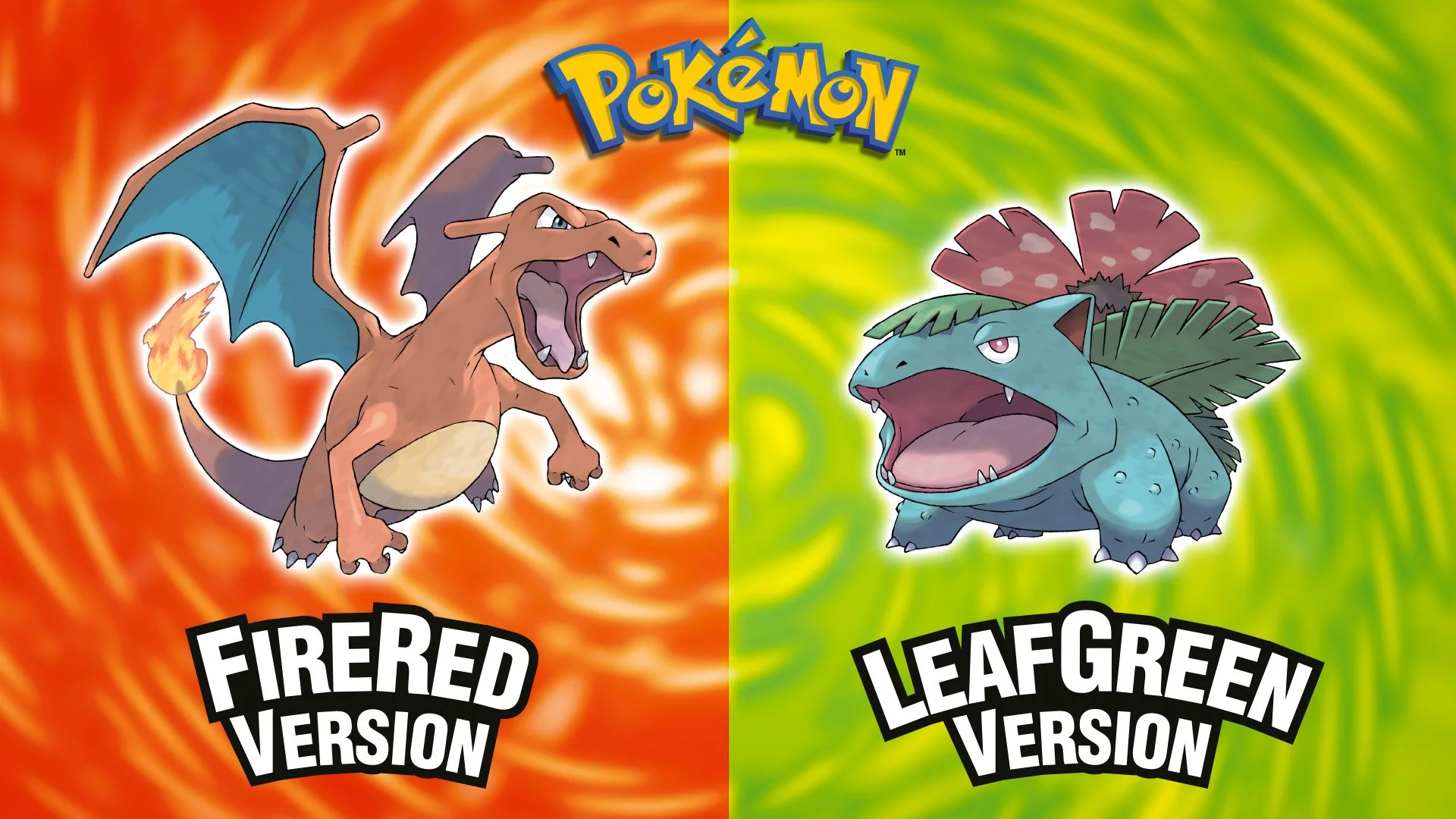
Available on: Nintendo Switch
Genre: Adventure, Creature Catcher
Developer: Gamefreak
Publisher: Nintendo & The Pokemon Company
How Cozy? ⭐⭐⭐⭐⭐
Game Verdict: ⭐⭐⭐⭐⭐/5
When Nintendo announced the 30th anniversary release of Pokémon FireRed and LeafGreen on Nintendo Switch 2, I was genuinely delighted.
Had I hoped the games would simply arrive on Nintendo Switch Online? Of course. But this is Pokémon, and Pokémon has never been shy about getting money out of you. At €20, though, it felt reasonable enough to justify a return trip to Kanto.
In classic Pokémon fashion, you still technically need both versions if you want access to every Pokémon. It’s a tradition that has existed since the series began, and clearly one Nintendo has no intention of abandoning now.
After an internal debate, I settled on LeafGreen, booted it up, and within minutes I was right back where it all began.
Story

One of the things that stands out immediately when returning to FireRed and LeafGreen is just how refreshingly simple the story is. You’re a young trainer from Pallet Town. Professor Oak gives you your first Pokémon. You set out across Kanto, challenge eight gym leaders, stop Team Rocket along the way, and eventually face the Elite Four.
That’s it. There’s no world ending catastrophe, no endless exposition, no painfully long dialogue sequences explaining every mechanic or pointless information. Instead, the story quietly supports the real focus of the game: discovering Pokémon and becoming a stronger trainer.
Almost immediately I was pulled back into childhood nostalgia. These are the original 150 Pokémon I grew up with, the creatures whose designs are still among the most iconic in the series. And then comes the decision every Pokémon player knows is coming.
Charizard, Bulbasaur, or Squirtle?
It’s practically a rite of passage.
I’m usually a sucker for a Fire starter, but this time I decided to play differently and chose Bulbasaur. With that important choice made, my adventure through Kanto began again.
Related: Looking for games like Pokemon?
Here’s a list of the best creature catchers!
Gameplay
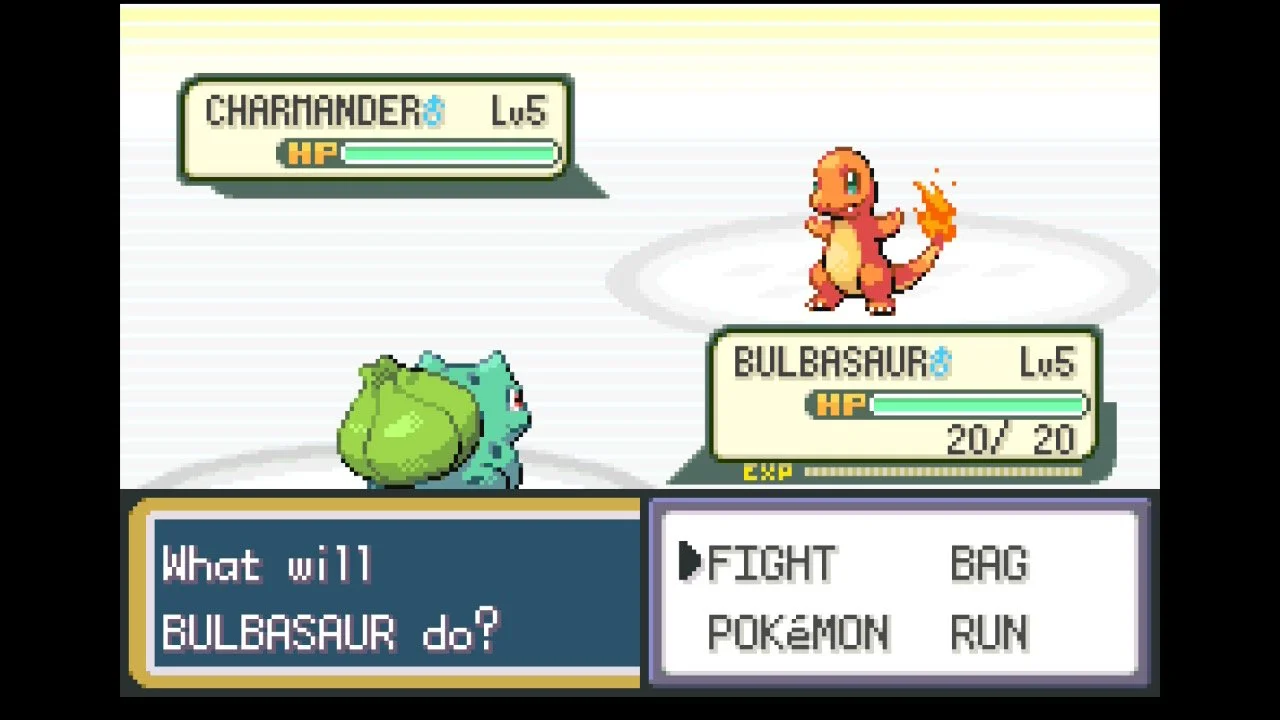
Returning to FireRed and LeafGreen after years of modern Pokémon games highlights just how different the series used to feel. For one thing, the game doesn’t hold your hand.
I had completely forgotten that if you lose a battle, you actually lose money. Suddenly every trainer battle carries a little more tension, especially early on when Poké Balls and potions already feel expensive.
Another mechanic I’d forgotten is that experience isn’t shared across your party. Only Pokémon that participate in battle gain XP. As a child, I probably wouldn’t have thought twice about this. I would have overlevelled one powerful starter and hoped for the best. But returning to the game now, it adds an interesting layer of strategy. You have to think about rotating your team, planning matchups, and preparing properly for gyms.
Otherwise you might walk confidently into Misty’s gym with a single overpowered Fire Pokémon and get obliterated by Staryu and Goldeen.
Outside of battles, the gameplay loop remains beautifully simple:
Travel from town to town
Explore caves and routes
Battle trainers
Catch new Pokémon in tall grass
Collect eight gym badges
That structure still works remarkably well. There’s a rhythm to it that newer games sometimes struggle to replicate.
And that moment when a Pikachu suddenly appears out of the grass, forcing you to carefully chip away its health before throwing a Poké Ball? That little surge of excitement is still completely intact and honestly one of the game’s strongest features.
Graphics and Visuals
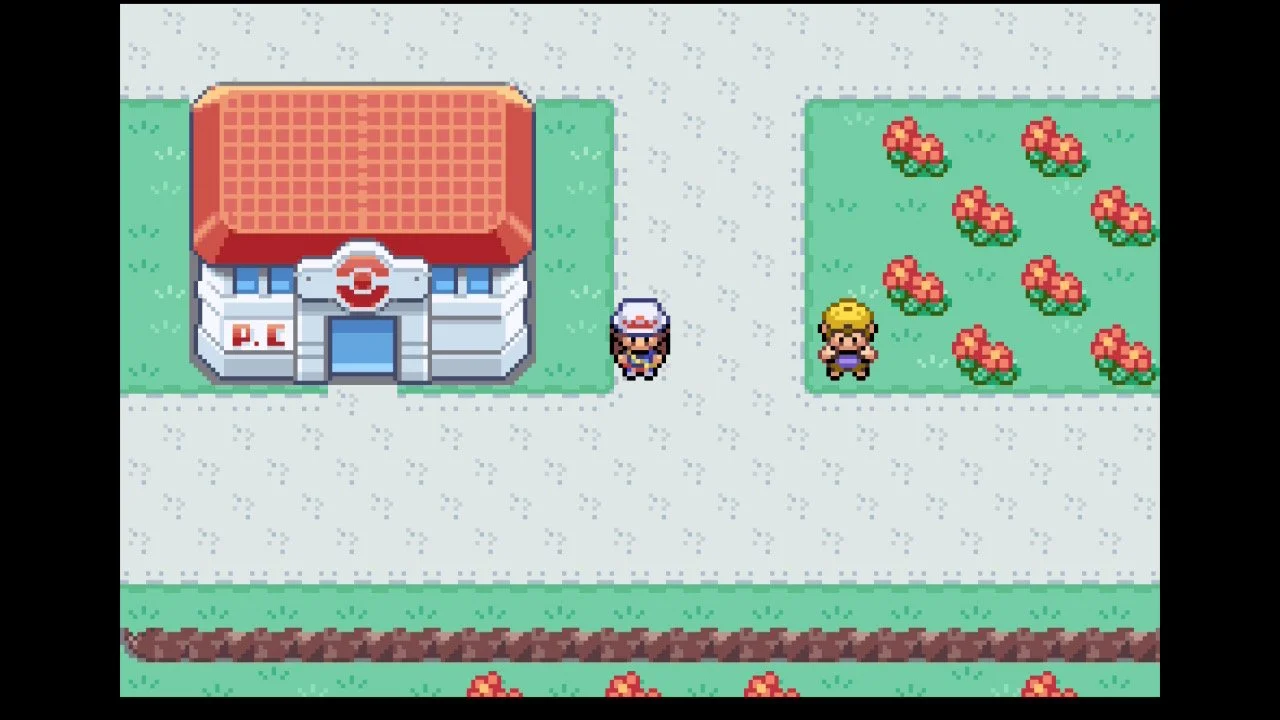
Visually, the Switch 2 version of FireRed and LeafGreen does a lovely job preserving the original charm. The pixel art remains bright and colourful, but everything feels crisp and vibrant on modern hardware. The environments still have that distinctive Game Boy Advance style, yet they pop beautifully on a larger screen.
The Pokémon sprites themselves remain fantastic. Even decades later, many of the original Kanto designs still stand among the best in the entire franchise. What’s striking, though, is how intentional the world design feels.
Routes are small but purposeful. Caves feel like actual obstacles rather than empty corridors. Towns are compact but memorable. Compared to some of Pokémon’s massive modern maps that can feel oddly empty, Kanto feels carefully designed rather than oversized.
Longevity
Despite its age, FireRed and LeafGreen still have impressive staying power. Completing the main story, defeating the Elite Four, and exploring the full Kanto region can easily take 30-40 hours, depending on how much time you spend catching Pokémon and training your team.
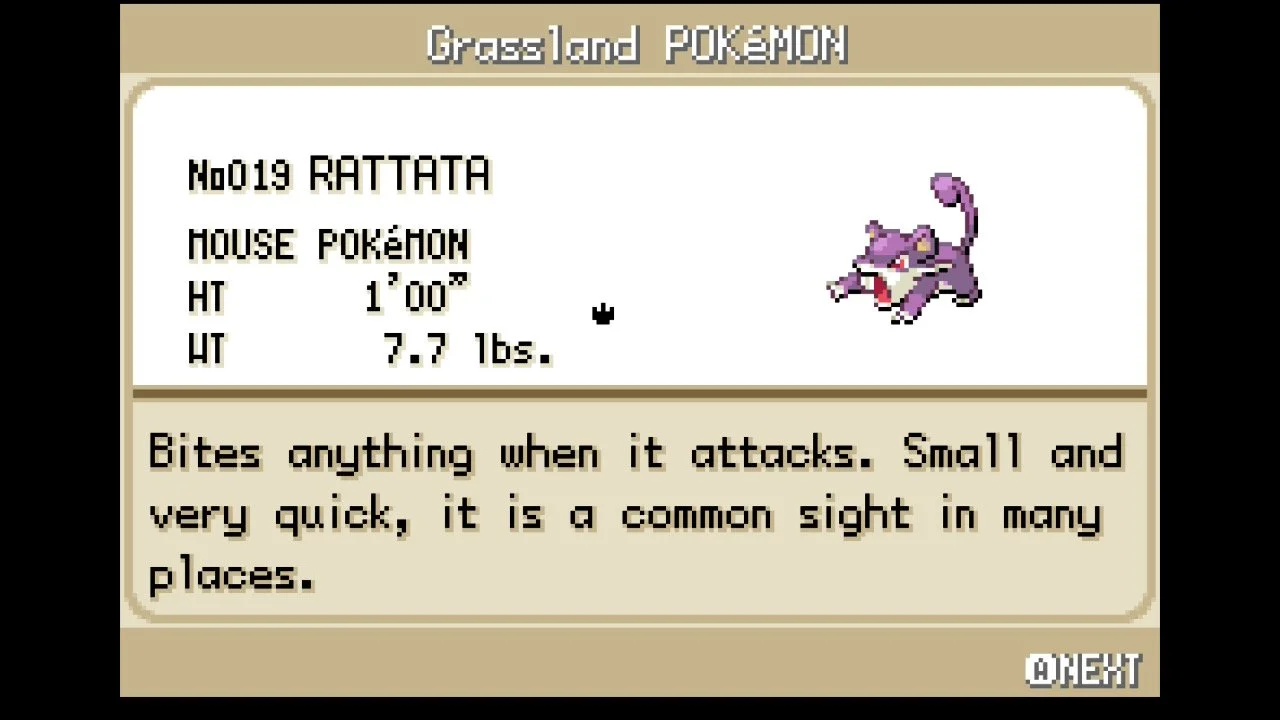
For players who enjoy filling the Pokédex, there’s even more incentive to keep going, though you’ll still need the opposite version if you want every Pokémon. And honestly, that familiar loop of catching, training, evolving, and battling remains as addictive as ever.
It’s easy to see why Pokémon became such a cultural phenomenon when you return to a game that still executes its core ideas so well.
Conclusion
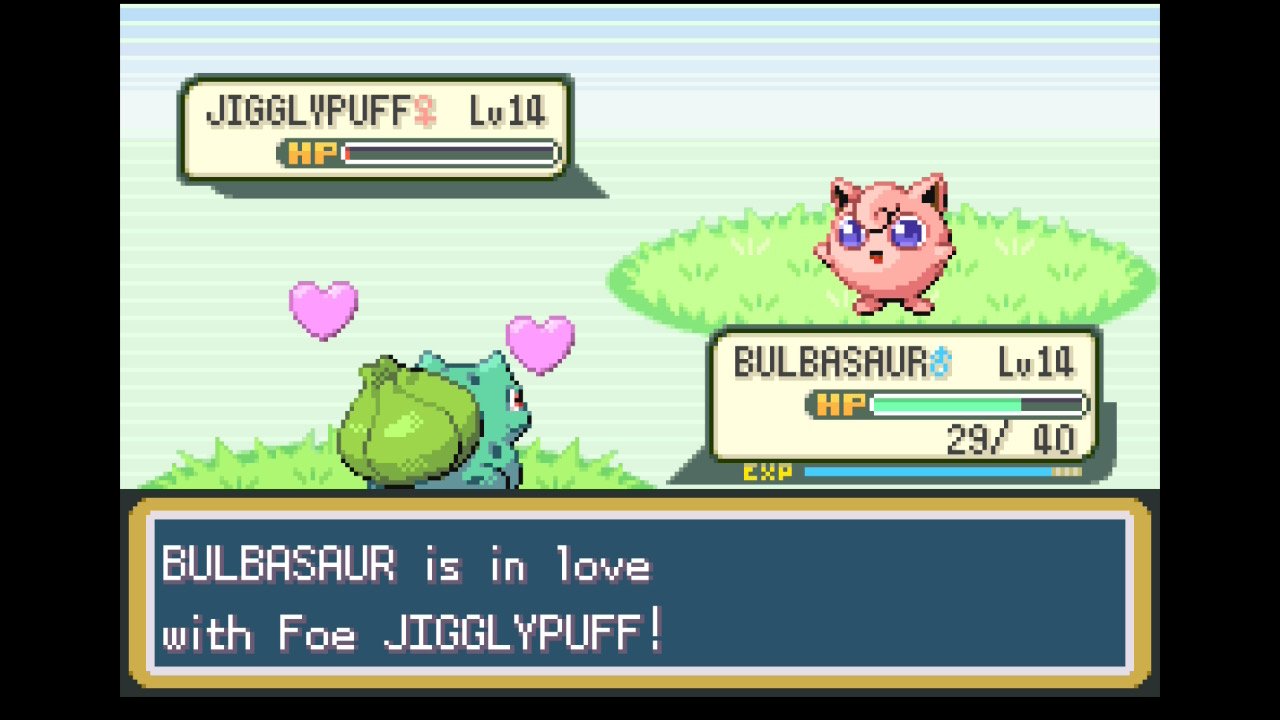
Somewhere along the way, Pokémon became complicated. Recent entries have experimented with enormous maps, extended dialogue, boring stories, and additional mechanics. Sometimes those ideas work. Sometimes they don’t.
Returning to FireRed and LeafGreen is a reminder of what made Pokémon special in the first place. A simple adventure. Eight gyms. And a world filled with strange creatures waiting to be discovered.
No unnecessary systems. No bloated storytelling. Just exploration, battling, and catching Pokémon. And most importantly, the focus stays exactly where it should be, on the Pokémon themselves.
Thirty years later, this return to Kanto proves that sometimes the oldest adventures still capture the magic best, and I hope there’s a reflection back to this type of Pokémon games when Wind and Waves release in 2027.
Looking for more Creature Catchers?

Affiliate Reminder: I may earn a small commission if you purchase through any of the links in this post. Thank you for your support! 🫶

✨ September 2026 Game of the Month! ✨Loddlenaut is a simple, satisfying cozy cleanup game where you restore a polluted alien ocean, recycle rubbish and help colourful little Loddles thrive. It’s relaxing, easy to settle into and full of visible progress.