
Pokémon Turns 30: Why I’m Still Playing After 30 Years
Yesterday, Pokémon turned 30. Thirty years since Red and Green first launched in Japan, thirty years of catching, battling, trading, and evolving, and thirty years of slowly growing up alongside a Pikachu that never ages.
As a lifelong Pokémon fan, this is a piece I’ve been thinking about for a long time. I was there for the playground card trades, the banned at school Pokémon cards, and the early anime days when it was just Ash, Brock, and Misty walking dusty routes, exploring caves, and camping under the stars. I’ve bought nearly every mainline game across every console generation, through every mechanical overhaul, graphical experiment, and occasionally frustrating system change. And yet, here I am, still captivated.
Loving Pokémon in 2026 feels different than it did in 1996. Nostalgia is part of it, of course, but even more, it’s a love for the creatures, the worlds, and the simple joy of discovery, a love that persists even when the games themselves falter.
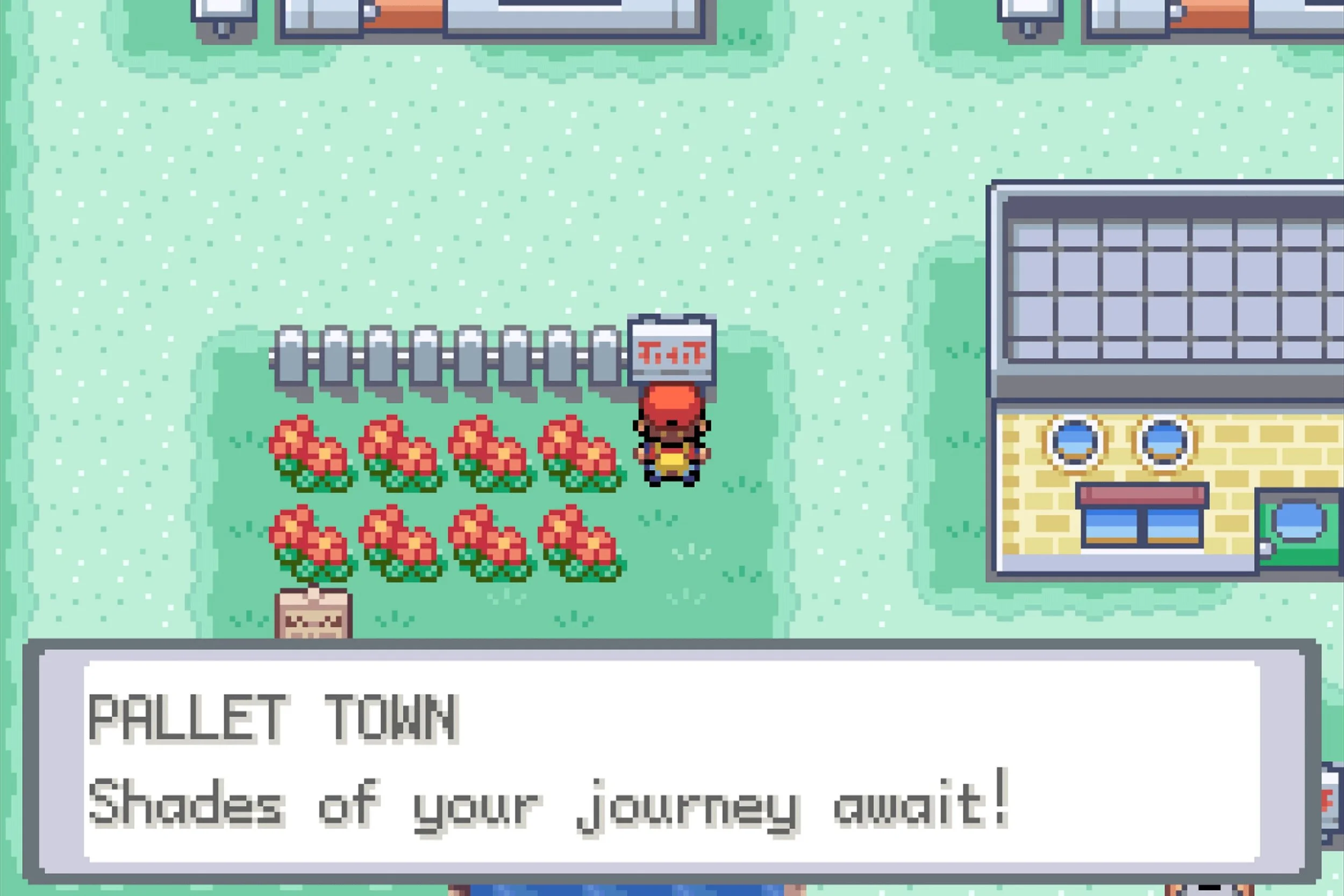
When Pokémon first began, it was simple. You chose one of three starters, stepped into tall grass, and slowly made your way from town to town collecting badges. The worlds were small but deliberate. Every route had a purpose. Every cave felt like a challenge. Every new town felt distinct.
As the series moved forward, it gained confidence. The DS era in particular felt like Pokémon at its most assured. Pokemon Diamond and Pearl, giving Sinnoh a sharper identity, dramatic music, and a world that felt expansive without feeling empty. Remakes like HeartGold and SoulSilver respected the originals while polishing them, giving players clear progression and memorable towns. Everything had a rhythm. Nothing was rushed. Nothing felt oversized for the sake of it.
Related: Looking for more casual adventure games?
Check out my list of top casual adventures and transport to new cozy worlds

Then came experimentation. Full 3D brought visual ambition but also changed the pacing and rhythm. Routes became wider, dialogue increased, and new mechanics stacked on top of each other. Some, like Mega Evolutions, added excitement to battles while others, like overloaded menus or repetitive side systems, felt like distractions. Don’t get me started on Gigantamax.
The Nintendo Switch era took that ambition even further. Scarlet and Violet promised fully open world Pokémon, but for me and many others, the world often felt hollow. Towns were huge but lifeless. Exploration sometimes felt like wandering boring, repetitive areas rather than discovering. Performance issues compounded the problem, but even without them, the game lacked the soul that older titles had.
Legends: Arceus was the first time in years that the experimentation felt purposeful. Sneaking through tall grass, manually throwing Poké Balls, researching Pokémon in real time, it shifted the focus back to the creatures themselves, not just battling them. The story wasn’t memorable, and the world was imperfect, but it felt brave. It felt like Pokémon trying to evolve.
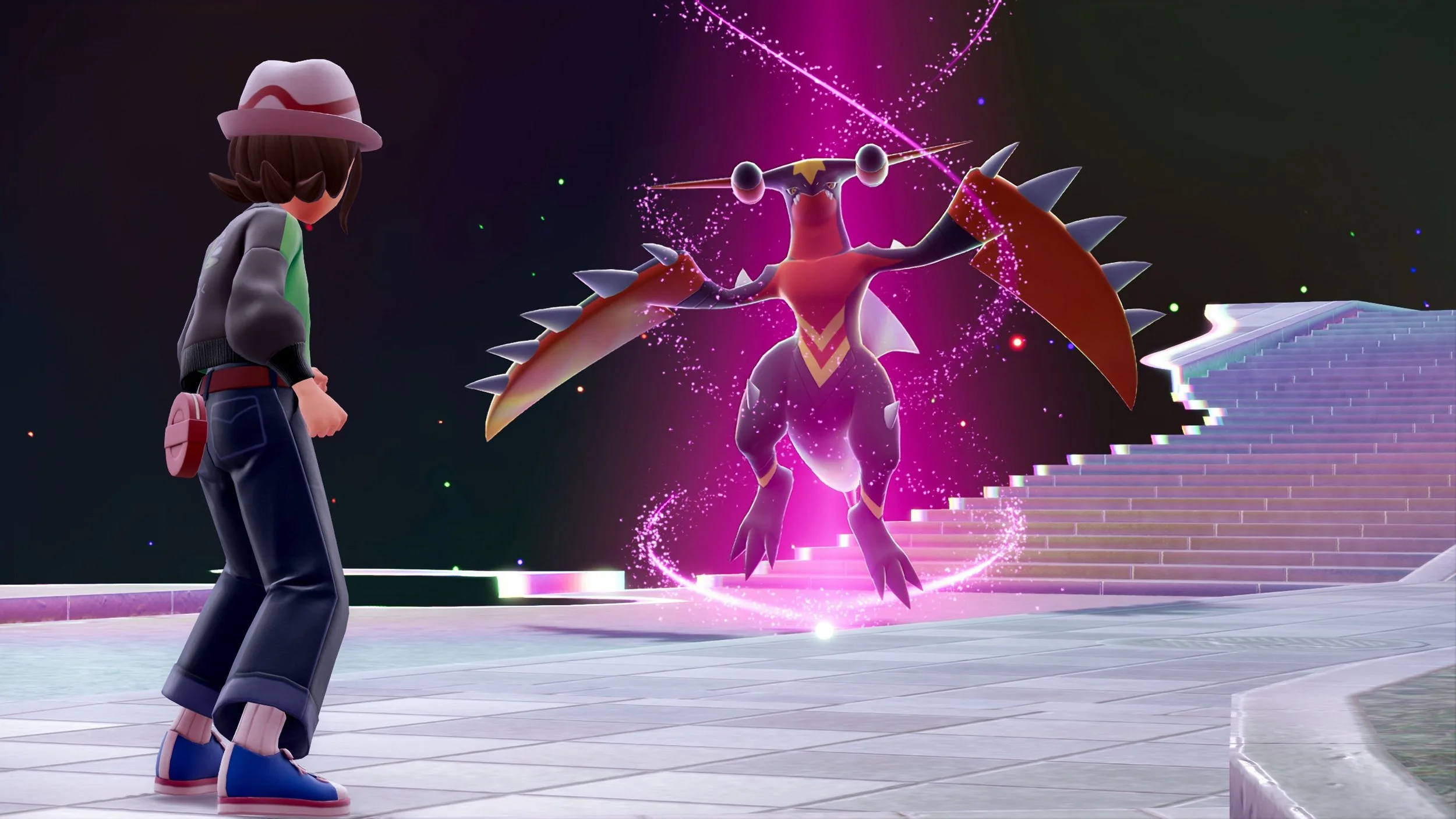
That’s why Legends: Z-A was so frustrating. There is genuine refinement in the battle system. Catching still feels satisfying. Late night sequences have tension and reward. But extremely dialogue heavy pacing, weak character writing, and a flat city design hold it back. It shows exactly what Pokémon could be but refuses to commit.
Looking back across thirty years, the pattern is clear: Pokémon is at its best when it commits to a clear vision, when it builds a world with intention, and when it emphasizes discovery over scale. That’s why I still prefer the older top down games. They weren’t trying to overwhelm, they guided you. And sometimes that quiet guidance is more magical than endless freedom.
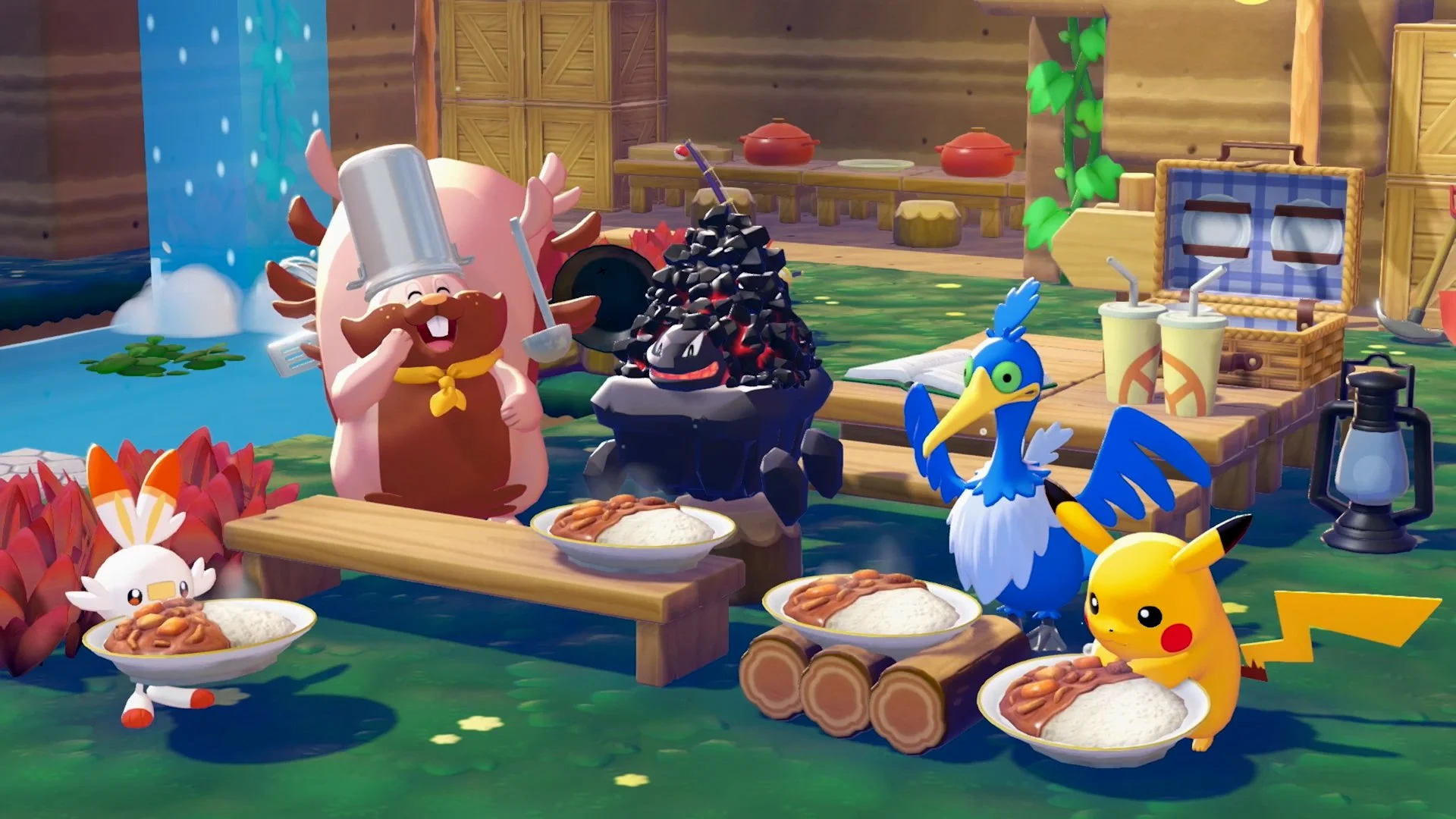
Despite all its frustrations, the Pokémons themselves has never lost thier charm. I still smile when I see Pikachu dart across the grass. Jigglypuff’s stubborn, hilarious charm never fails to make me laugh. The music is timeless. The designs remain, for the most part, extraordinary. I still get hooked on Pokémon Quest and Pokémon Unite. I replay early anime episodes when I want comfort, watching Ash, Brock, and Misty navigate the world with the same wide eyed enthusiasm I felt as a child.
Even Z-A, despite its flaws, held me for sixty hours. That’s the magic: Pokémon creates creatures and worlds you care about, even when the systems around them falter.
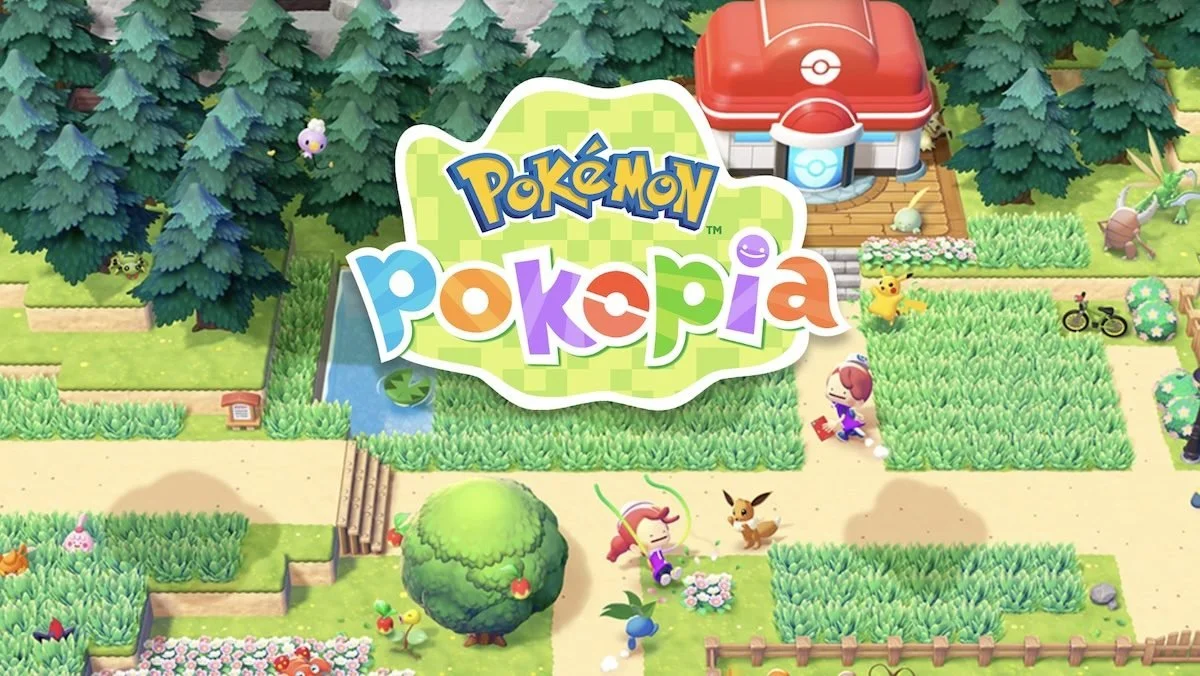
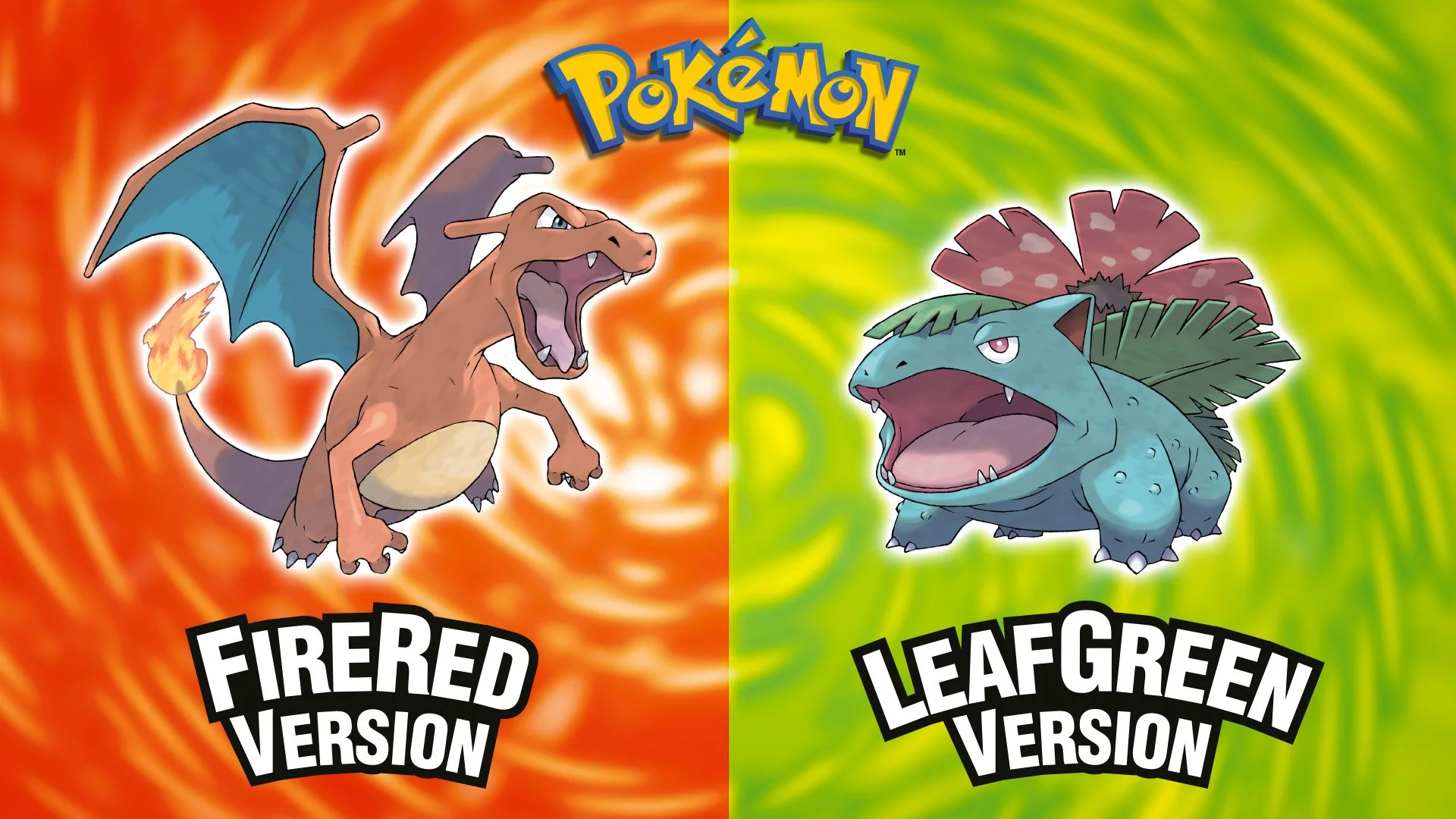
And right now, I’m excited again. I just bought LeafGreen, returning to the simplicity that started it all. Pokopía and Wind and Waves are on the horizon, and the new generation starters are already making me excited for a new chapter in the Pokemon story. I’ve never stopped hoping Pokémon will fully capture the feeling of exploration, charm, and adventure that made me fall in love in the first place.
Thirty years is a long time for a game franchise. There have been highs and lows, experiments that worked and those that didn’t, worlds that inspired awe and worlds that felt empty. But even with missteps, Pokémon continues to do what it does best: create living creatures you care about, worlds you want to explore, and moments you remember long after the console powers down.
After all these years, I’m still here. Because no matter the glitches, the dialogue, or the disappointing towns, Pokémon can still make me feel like a kid again. And that, more than anything else, is why I keep coming back.
Want More Creature Catcher Games?

Affiliate Reminder: I may earn a small commission if you purchase through any of the links in this post. Thank you for your support! 🫶

✨ September 2026 Game of the Month! ✨Loddlenaut is a simple, satisfying cozy cleanup game where you restore a polluted alien ocean, recycle rubbish and help colourful little Loddles thrive. It’s relaxing, easy to settle into and full of visible progress.